The landscape of metabolic research and weight management has been completely revolutionized by a new class of peptide therapeutics. If you are researching the most effective options available, you have likely narrowed your search down to the two heavyweights: semaglutide vs tirzepatide.
Both have shown unprecedented efficacy, but they operate through slightly different biological pathways and yield different results. When evaluating which is better semaglutide or tirzepatide, it is essential to understand their mechanisms, clinical data, and tolerability. Let’s dive deep into the ultimate peptide showdown to help you make an informed decision.

What Are Semaglutide and Tirzepatide?
To understand the semaglutide vs tirzepatide basics, we first need to look at what these compounds are at a molecular level. Both are incretin mimetics—synthetic versions of hormones naturally produced in the human gut that regulate blood sugar and appetite.
What is Semaglutide?
Semaglutide is a selective GLP-1 (Glucagon-Like Peptide-1) receptor agonist. It mimics the natural GLP-1 hormone, signaling the brain that you are full while simultaneously slowing gastric emptying. In the commercial market, it is most widely known under the brand names Ozempic (for type 2 diabetes) and Wegovy (for weight loss).
Buy Semaglutide Peptides
-

Cagrilintide & Semaglutide
Cagri 5 / Sema 5 (mg) $110,00 Add to cart -
Semaglutide
5 Mg $130,00 Add to cart -
Semaglutide
10 Mg $180,00 Add to cart -
Semaglutide
5mg $105,00 Add to cart -
Semaglutide
5mg $105,00 Add to cart -
Semaglutide
5mg $32,00 Add to cart -
Semaglutide
10 Mg $52,00 Add to cart -
Semaglutide
20 mg $145,00 Add to cart


What is Tirzepatide?
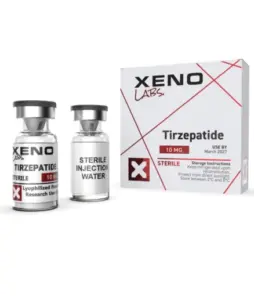
Tirzepatide is a “twincretin”—a dual-acting peptide that targets both the GLP-1 and GIP (Glucose-Dependent Insulinotropic Polypeptide) receptors. By combining these two pathways, it offers a synergistic effect on metabolic regulation and appetite suppression. Commercially, it is sold as Mounjaro (for diabetes) and Zepbound (for weight loss). When looking at tirzepatide vs ozempic differences, the defining factor is this dual-receptor agonism. This is also the core distinction in any mounjaro vs wegovy comparison.
Buy Tirzepatide Peptides
-
Sale!
Tirzepatide
5 Mg Original price was: $130,00.$100,00Current price is: $100,00. Add to cart -

Tirzepatide
10 Mg $149,00 Add to cart -
Tirzepatide
10 Mg $150,00 Add to cart -
Tirzepatide
10 Mg $150,00 Add to cart -
Tirzepatide
10 Mg $60,00 Add to cart -
Tirzepatide
5mg $36,00 Add to cart -
Tirzepatide
20 mg $115,00 Add to cart -
Tirzepatide
30 mg $152,00 Add to cart




Mechanism of Action (How They Work)
The semaglutide vs tirzepatide mechanism of action highlights the brilliant evolution of peptide science.
- Semaglutide (GLP-1 Agonist): Binds to GLP-1 receptors to stimulate glucose-dependent insulin secretion, suppress inappropriate glucagon secretion, and drastically delay gastric emptying. This leads to a profound reduction in caloric intake.
- Tirzepatide (GLP-1/GIP Dual Agonist): Does everything Semaglutide does, but the addition of GIP receptor activation further enhances insulin sensitivity, improves lipid metabolism, and significantly reduces fat accumulation. *Link to research on GIP’s role in lipid metabolism
If you’re not familiar with terms like GLP-1, GIP, or receptor activity, you can explore our full peptide glossary.
Weight Loss Results Comparison
When it comes down to raw data, the tirzepatide vs semaglutide weight loss comparison is where things get truly interesting. Clinical trials provide a clear picture of what subjects can expect over a sustained period.
The efficacy of these peptides was evaluated in two major clinical trial programs: the STEP trials for Semaglutide and the SURMOUNT trials for Tirzepatide.
Here is how the clinical data breaks down:
| Peptide | Primary Receptor Target | Average Weight Loss (% of Body Weight) | Clinical Trial Reference |
| Semaglutide | GLP-1 | ~12-15% (Over 68 weeks) | STEP Trials |
| Tirzepatide | GLP-1 & GIP | ~20% (Over 72 weeks) | SURMOUNT Trials |
As the data shows, Tirzepatide’s dual-action mechanism consistently results in a higher percentage of total body weight reduction.
Dosage and Administration
Understanding the semaglutide vs tirzepatide dosage protocols is crucial, as both require a titration schedule. This means starting at a low dose and gradually increasing it to allow the body to adapt, thereby minimizing adverse reactions. Both are typically administered via a once-weekly subcutaneous injection.
| Protocol Phase | Semaglutide Typical Dosage | Tirzepatide Typical Dosage |
| Starting Dose (Weeks 1-4) | 0.25 mg / week | 2.5 mg / week |
| Titration (Weeks 5-8) | 0.5 mg / week | 5.0 mg / week |
| Maintenance / Max Dose | 1.0 mg – 2.4 mg / week | 10.0 mg – 15.0 mg / week |

Side Effects Comparison
Because they act on the gastrointestinal tract, the semaglutide vs tirzepatide side effects profiles are quite similar. Most side effects are mild to moderate and typically occur during the dosage titration phase.
Common side effects for both include:
- Nausea
- Vomiting
- Diarrhea or Constipation
- Fatigue
- Decreased appetite (the desired effect, though sometimes extreme initially)
Interestingly, some clinical observations suggest that despite its greater potency, Tirzepatide may be slightly better tolerated by some users due to the GIP activation, which can mitigate some of the extreme nausea associated with pure GLP-1 agonists. However, individual responses vary greatly.
Cost and Accessibility
When comparing the semaglutide vs tirzepatide price, there are notable differences in the commercial market. Because Tirzepatide is a newer, dual-agonist peptide with a more complex synthesis, it generally carries a higher premium than Semaglutide. However, as production scales and research peptide avenues expand, accessibility for both compounds is rapidly improving.
Which One Is Better for Weight Loss?

So, which is better tirzepatide or semaglutide? The answer depends heavily on the user’s goals, prior experience with peptides, and biological response.
To make the decision easier, we have categorized the ideal pathways based on experience levels:
| User Level | Recommended Peptide | Why It Fits This Profile |
| Beginner (First-time researching/using GLP-1s) | Semaglutide | It is highly effective, well-researched, and serves as an excellent foundational introduction to incretin mimetics. |
| Intermediate (Looking for a step up) | Tirzepatide (Lower dose) | Ideal for those who have plateaued on Semaglutide or are ready to explore dual-agonism for enhanced metabolic benefits. |
| Advanced (Seeking maximum fat loss) | Tirzepatide (Titrated to max) | Provides the highest clinical ceiling for fat loss (~20%) and superior glucose control for aggressive metabolic targeting. |
Buy Fat Loss Peptides
-
5_amino_1MQ
10 Mg $55,00 Add to cart -
5_amino_1MQ
50mg $95,00 Add to cart -
AOD9604
5mg $46,00 Add to cart -
AOD9604
2 mg $70,00 Add to cart -
AOD9604
2 mg $80,00 Add to cart -
Cagrilintide
5mg $56,00 Add to cart -
Cagrilintide
10 Mg $112,00 Add to cart -
Cagrilintide & Semaglutide
Cagri 5 / Sema 5 (mg) $110,00 Add to cart -
Cagrilintide Acetate
10 Mg $150,00 Add to cart -
Cardarine
20 mg $75,00 Add to cart -
CJC-1295 no DAC
10 Mg $80,00 Add to cart -
HGH Frag
2 mg $29,00 Add to cart


Who Should Choose Which?
When debating semaglutide or tirzepatide for weight loss, the ultimate choice comes down to your specific targets and budget. Both are incredibly powerful tools that represent the absolute cutting edge of metabolic science.
Final Verdict: Semaglutide vs Tirzepatide Conclusion
To summarize this complex comparison into a simple, actionable guide:
- 👉 If you want a highly researched, cost-effective starting point to jumpstart weight loss → choose Semaglutide.
- 👉 If you want the absolute maximum fat loss potential and are willing to invest in a premium, dual-action peptide → choose Tirzepatide.
Clinical trials indicate that Tirzepatide generally results in a higher percentage of weight loss (up to 20%) compared to Semaglutide (12-15%). This is primarily due to Tirzepatide’s dual-action mechanism targeting both GIP and GLP-1 receptors.
Yes, many researchers transition from Semaglutide to Tirzepatide, especially if they hit a weight loss plateau. However, it requires starting at a lower titration dose of Tirzepatide to allow the body to adjust and minimize gastrointestinal side effects.
The side effect profiles are very similar, primarily involving mild to moderate gastrointestinal issues like nausea and decreased appetite. Some data suggests Tirzepatide may actually be better tolerated by certain individuals despite its higher potency, but individual responses vary.