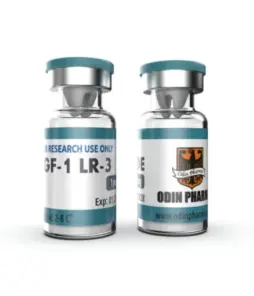
Peptides PlusRetatrutide 5mg
| Quantity | Discount | Price |
|---|---|---|
| 3–5 | 10% | $107,10 |
| 6–9 | 15% | $101,15 |
| 10–100 | 20% | $95,20 |
Specifications
- Brand: Peptide Plus Peptides & SARMs
- Substance: Retatrutide
- Product Form: Powder
- Dosage: 5mg
How To Use
Laboratory Preparation & Research Dosing Protocols
Disclaimer: The following information is for educational and laboratory reference only. This product is strictly for in-vitro and in-vivo research and is not intended for human consumption or therapeutic use.
This vial contains 5 mg (5,000 mcg) of lyophilized Retatrutide powder. Careful handling and precision measurement are critical for accurate data collection.
Reconstitution Guide
For standard research concentration, reconstitute the 5 mg vial with 1 ml or 2 ml of Bacteriostatic Water.
- Preparation: Slowly inject the water against the glass wall of the vial.
- Dissolution: Swirl gently until clear. Do not shake, as the peptide structure is sensitive to mechanical stress.
- Measurement Reference (Using 2 ml dilution):
- 2 Units (0.02 ml) = 50 mcg
- 4 Units (0.04 ml) = 100 mcg
- 20 Units (0.20 ml) = 500 mcg
Storage Specifications
- Unmixed (Lyophilized): Store in a cool, dry place. For long-term preservation, store at -20°C.
- Mixed (Reconstituted): Must be refrigerated (2°C to 8°C). Use within 14-21 days for maximum analytical integrity.
Experience Level Usage Guide
Beginner
Baseline Metabolic Secretagogue Model
Reference dosing for initial studies investigating the modulation of basal metabolic rate and early tolerance.
- Test Subject Dosage: 50 mcg to 200 mcg per administration.
- Frequency: Administered as a single dose once weekly.
- Research Aim: Assessment of subject tolerance and appetite regulation markers.
Intermediate
Advanced Thermogenic Evaluation Model
Standard dosage for evaluating the long-term impact of triple-pathway agonism on weight loss.
- Test Subject Dosage: 250 mcg to 500 mcg per week (can be split into smaller sub-doses).
- Frequency: Administered on a weekly basis, or split into two administrations twice weekly.
- Observation Period: 4 to 8 weeks for longitudinal data collection.
Advanced
The Metabolic Synergy Stack
Advanced protocol investigating the synergy between fat oxidation and direct tissue remodeling.
- The Stack: Retatrutide (250 mcg weekly) + BPC-157 (250 mcg daily).
- Scientific Rationale: Investigates the combined impact of profound energy expenditure/fat loss (Retatrutide) alongside systemic soft-tissue/cytoprotective repair (BPC-157).
- Frequency: Combined weekly and daily schedule according to study objectives.
Shipping Details
Detailed Description
What Is PeptidePlus Retatrutide 5 mg?
PeptidePlus Retatrutide 5 mg is a revolutionary, triple-action incretin mimetic compound. It functions as a highly synergistic combined Glucose-Dependent Insulinotropic Polypeptide (GIP), Glucagon-Like Peptide-1 (GLP-1), and Glucagon (GCGR) receptor agonist. In the scientific community, it is extensively researched for its unprecedented multi-pathway effect on extreme metabolic regulation, rapid hepatic fat utilization, and complete energy expenditure optimization. This 5 mg lyophilized preparation is the perfect starting instrument for high-precision USA domestic research facilities initiating complex body recomposition and dose-titration assays.
If your research goals involve exploring the absolute forefront of metabolic pathways and lipid clearance, you can buy peptides of this analytical grade through our Fat Loss Peptides category.
Important: PeptidePlus Retatrutide 5 mg is strictly for laboratory research and is not intended for human consumption or therapeutic use.
PeptidePlus Retatrutide 5 mg: Technical Profile
| Scientific Parameter | Details for PeptidePlus Retatrutide |
|---|---|
| Peptide Category | Triple GIP, GLP-1, and Glucagon Receptor Agonist |
| Vial Concentration | 5 mg Lyophilized Powder |
| Mechanism Focus | Direct Fat Oxidation, Insulin Sensitivity & Satiety Signaling |
Research Benefits of PeptidePlus Retatrutide 5 mg
In controlled laboratory settings, it is valued for its unparalleled, multi-layered metabolic effects. Key research benefits include:
- Triple-Receptor Synergy: Studying the compound’s combined action on GIP, GLP-1, and Glucagon receptors to maximize resting energy expenditure and rapidly clear systemic lipid stores.
- Hepatic Fat Clearance: Researching the peptide’s glucagon-driven ability to directly target the liver, burning stored triglycerides and actively reversing experimental hepatic steatosis.
- Appetite and Craving Suppression: Investigating its profound action on the central nervous system to influence hunger control mechanisms, dramatically reducing caloric intake in test models.
- Titration Modeling: The 5 mg format is ideal for establishing baseline tolerances in new subjects before scaling up to higher-concentration assays.
How Does PeptidePlus Retatrutide 5 mg Work?
The mechanism of Retatrutide relies on engaging all three major incretin and metabolic receptors simultaneously. The GIP and GLP-1 pathways work together to drastically increase satiety, slow gastric emptying, and regulate insulin-dependent glucose clearance. Concurrently, the glucagon receptor activation works to boost the resting metabolic rate and promotes the direct, aggressive oxidation of fat stores. Because Peptidesline provides vacuum-sealed, analytical-grade PeptidePlus products, researchers can reliably track these intense physiological shifts with high experimental accuracy.
Potential Side Effects in Research Models
Researchers utilizing Retatrutide must closely monitor for physiological responses associated with its extreme metabolic activity:
- Gastrointestinal Distress: Significant temporary nausea, vomiting, or gastric discomfort is very common during initial exposure as the digestive rate drastically slows down.
- Cardiovascular Changes: Observed increases in resting heart rate, primarily driven by the systemic glucagon receptor activation.
- Metabolic Variation: Rapid fluctuations in baseline glucose markers that require close monitoring to ensure a smooth transition into high lipid oxidation states.
Retatrutide vs. Alternative Metabolic Peptides
| Research Agent | Targeted Action | Main Research Strength |
|---|---|---|
| Semaglutide | GLP-1 Receptor Agonist | Provides strong, isolated appetite control and standard baseline glycemic regulation. |
| Tirzepatide | Dual GIP / GLP-1 Agonist | Offers balanced glycemic control and excellent insulin sensitivity, but lacks a direct fat-burning (glucagon) mechanism. |
| Retatrutide 5 mg | Triple GIP/GLP-1/Glucagon Agonist | Produces the highest observed level of overall fat oxidation, liver clearance, and metabolic boost available in current research. |
Buy PeptidePlus Retatrutide 5 mg Online
When conducting critical lipid metabolism or aggressive weight-loss assays, Peptidesline is your reliable source for batch-certified compounds. Our Retatrutide is HPLC-verified for 100% integrity.
- Express USA Delivery: Fast shipping to your research facility in 4-7 business days.
- Secure Checkout: Simple payment options via Zelle or Venmo.
- 10% Crypto Discount: Unlock a 10% discount on Retatrutide 5 mg by paying with Bitcoin or USDT.
- Click here for Payment Options
FAQ
Retatrutide is a triple agonist. While older peptides hit one or two receptors, Retatrutide from Peptidesline.com targets three: GLP-1, GIP and Glucagon. This triple-action approach is researched for its ability to boost metabolism and burn fat at a much higher rate than previous generations.
Tirzepatide is a dual agonist (GLP-1 and GIP). Retatrutide is a triple agonist, adding the Glucagon receptor (GCGR) which increases calorie burning and energy expenditure.
The 5 mg vial is considered the optimal starting format for laboratories initiating new subjects into Retatrutide protocols. Because this triple-agonist causes profound metabolic shifts, researchers must begin with very low micro-doses (e.g., 1-2 mg weekly) to assess gastrointestinal tolerance. The 5 mg format prevents peptide degradation and waste that would occur if researchers tried to titrate using a larger 10 mg or 15 mg vial over too long a period.
While Tirzepatide successfully reduces appetite and improves insulin sensitivity via GLP-1 and GIP, it primarily limits caloric intake. Retatrutide adds a third mechanism: Glucagon (GCGR) receptor agonism. This specific addition actively signals the liver to burn stored fat for energy and raises the subject's basal metabolic rate. Therefore, Retatrutide not only stops the intake of new calories but aggressively burns existing fat stores, leading to significantly higher total weight reduction in models.
The extreme slowing of gastric emptying caused by GLP-1 activation often leads to nausea. Researchers manage this by strictly adhering to a slow dose-escalation schedule. Starting with a minimal baseline dose and only increasing it every 4 weeks allows the subject's neurological and digestive systems to adapt. Additionally, researchers monitor hydration closely and often adjust the subject's dietary intake to smaller, more frequent volumes to ease gastric distress.
Absolutely. Retatrutide is currently considered one of the most promising compounds for researching Non-Alcoholic Fatty Liver Disease (NAFLD). The glucagon receptor activation works directly on the liver to clear out ectopic fat deposits. In laboratory models, scientists have observed dramatic reductions in liver fat percentages within weeks of administration, making it a primary tool for hepatic clearance assays.
Retatrutide is a highly complex, fragile molecule. It must be reconstituted gently by slowly dripping bacteriostatic water down the inner wall of the glass vial, and the vial should be gently swirled—never shaken. Violent agitation will sheer the peptide bonds and destroy the compound. Once mixed, the liquid solution must be kept continuously refrigerated between 2°C and 8°C and protected from direct UV light to maintain its biological efficacy for up to 30 days.